A lot of small growers make the same mistake on Instagram: they think they need to look bigger than they are. Better branding, more polished photos, nicer graphics. But people who buy local produce are usually looking for the opposite. They want to see what is fresh this week, what sold out early on Saturday, what survived the heat, what is nearly ready, and what is genuinely worth picking up before the stall closes.
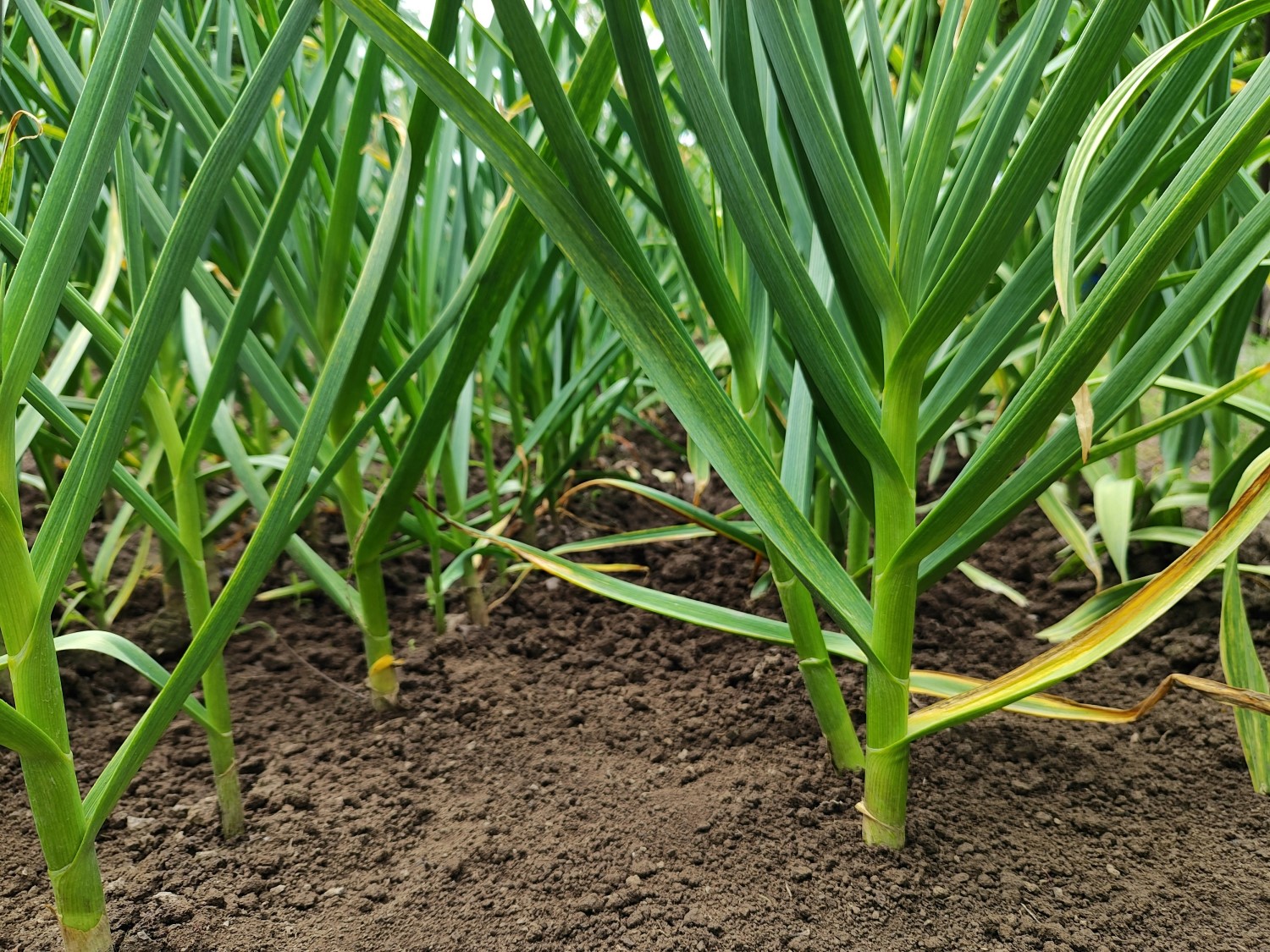
That is why Instagram marketing for farm stalls works best when it stays close to the rhythm of the season. A bunch of garlic with a little soil still on the roots, a crate of tomatoes picked that morning, a quick Story showing the table before opening – those do more for trust than a month of overly designed posts.
People buy seasonality, not polish
Small farm Instagram ideas often go wrong when they copy lifestyle brands instead of produce sellers. Seasonal food has a built-in advantage: it changes. The colour changes, the size changes, the quantity changes. Early strawberries feel different from late-summer courgettes. New garlic has a different appeal from cured bulbs ready for the pantry.
That variation is not a branding problem. It is the story.
When someone follows a farm stall, a kitchen garden brand, or a local grower, they are not expecting supermarket consistency. They are following because they want signs of real life: first harvests, weather delays, bunches that came out better than expected, and the occasional note that says, simply, “Only twelve boxes left for Friday.”
That kind of honesty is a big part of seasonal produce marketing. It shortens the distance between seller and buyer. It also makes the post useful.
The posts that quietly help people buy
If you want to know how to sell produce on Instagram without sounding pushy, it helps to think less like an ad writer and more like a stallholder talking across the table.
A few formats tend to work especially well.
Harvest updates. A simple post saying what came in today is often stronger than a promotional caption. “Fresh dug garlic, basil, rainbow chard, and sweet onions this morning” gives people the information they actually need.
Limited-availability posts. Scarcity works best when it is real. A short fig harvest or one final picking of beans does not need hype. It just needs clarity.
Behind-the-stall Stories. Instagram Stories for local produce are ideal for things that would feel too slight in the main grid: bunching herbs, trimming roots, loading crates, setting up signs, packing pre-orders. It does not have to look cinematic. The point is to make freshness visible.
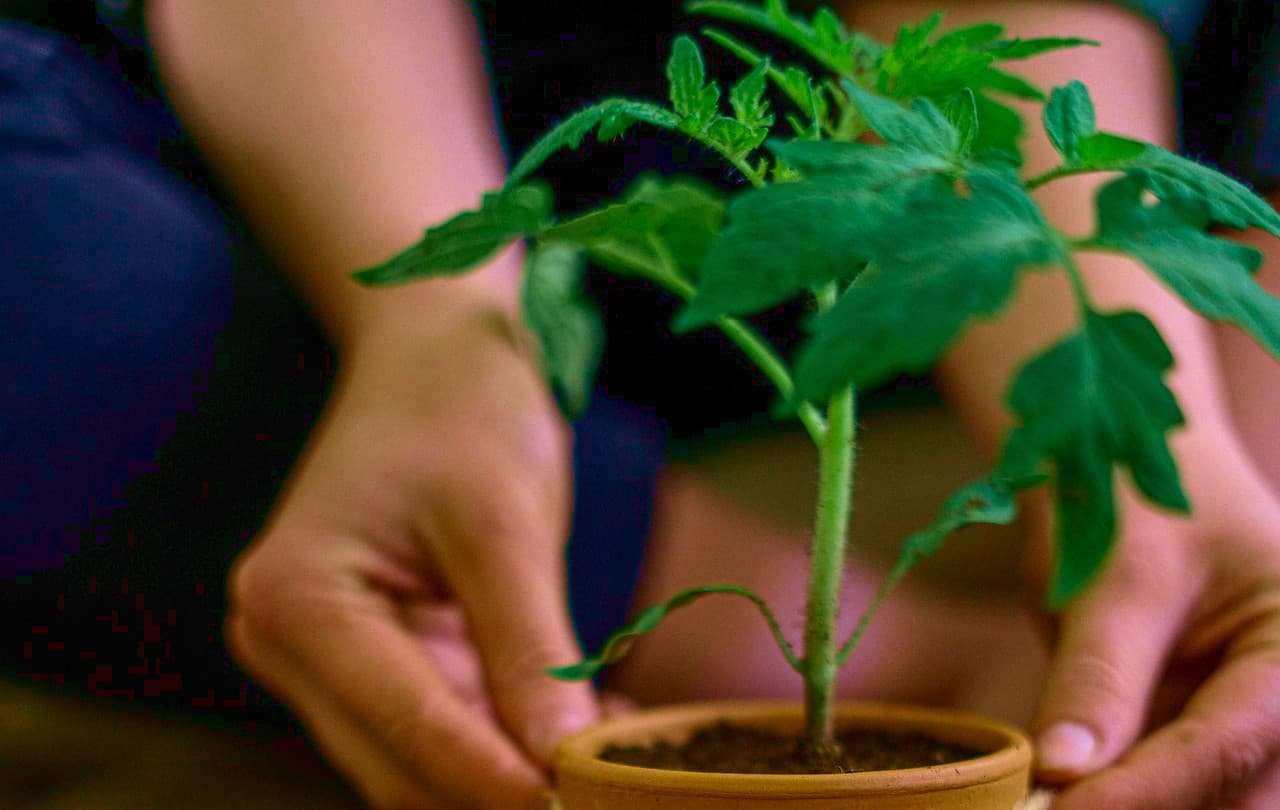
Growing progress. People like to see where their food came from. A short sequence from seedlings to harvest gives followers a reason to care before the crop is even ready.
Short educational tips. The best local food Instagram content often teaches something small and practical: how to store green garlic, why some carrots fork in stony soil, or what to do with a glut of courgettes.
Stories are where produce feels real
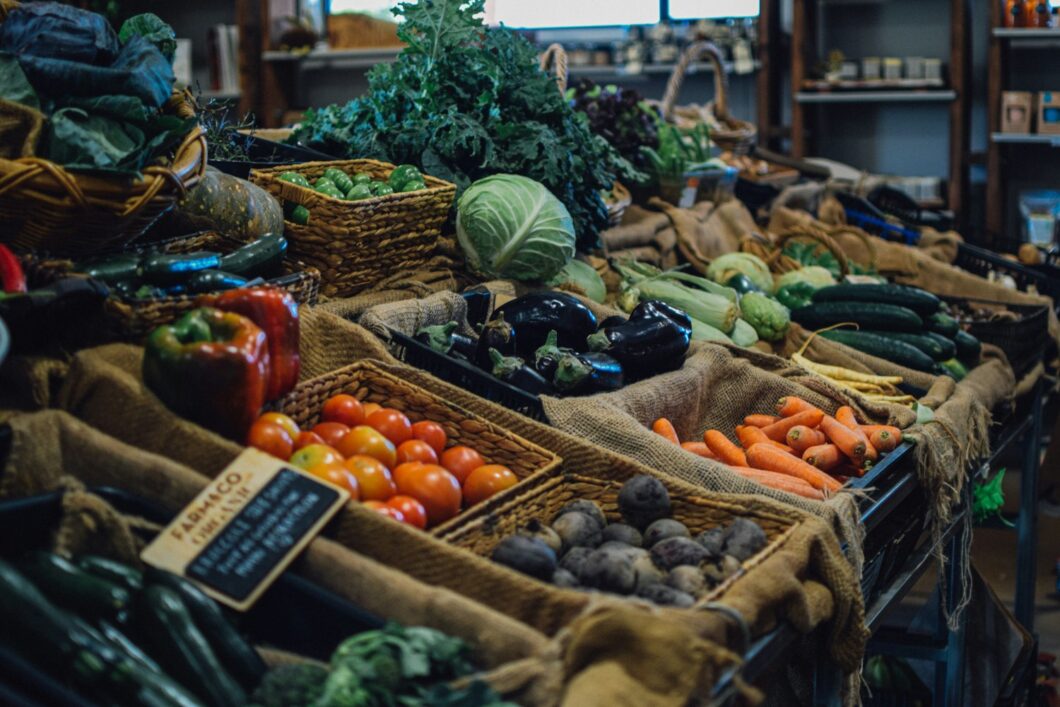
For many small sellers, the grid builds recognition, but Stories drive action.
That makes sense. Stories are where seasonal businesses can be more immediate. A stall owner can post at 6:30 a.m. while unloading greens, then again at midday to say the salad bags are nearly gone. That is useful information, not content for content’s sake.
Stories are also good at showing scale honestly. A polished photo can make ten bunches look like fifty. A quick pan across the table tells the truth. For a small business, that is usually an advantage. Buyers do not mind small quantities when the produce looks good and the timing is clear.
If you are trying to improve your garden business social media, it can be useful to study how other public accounts handle that balance. Not to copy them line by line, but to notice patterns: how they frame market-day updates, how often they show hands and process rather than finished displays, how short their captions are when stock is limited. Tools such as StoriesIG can help with that kind of observation because they make it easy to view public Instagram Stories and profiles in a simple way. For a small grower, that can be enough to spot what feels natural and what feels overproduced.
What makes produce accounts feel forced
The problem is not promotion itself. The problem is when the sales message arrives before the account has shown any texture.
One common mistake is posting only the finished version of the business: logo graphics, product cards, order prompts, polished still lifes. That may look organised, but it rarely feels local. People buy from small growers because they want some contact with the reality behind the produce.
Another mistake is trying to hide inconsistency. Seasonal sellers are not supermarkets. Size varies. Quantity varies. Availability changes fast. Once an account starts pretending otherwise, trust gets thinner.
Then there is the habit of overexplaining every post. A bunch of radishes does not need a paragraph about passion and excellence. Sometimes it just needs a sentence and a good photo taken before the leaves wilt in the sun.
A rhythm that is actually manageable
Most stallholders do not need a complicated strategy. They need a pattern they can keep while still harvesting, washing, packing, and getting to market on time.
A workable week might be simple: one post showing what is coming into season, a few Stories during harvest or setup, one short educational caption tied to a product people may not know how to use, and one real-time availability update on market day.
That is enough to stay visible without making Instagram feel like another full-time job. The best farm stall marketing tips are usually the plainest ones: show what is fresh, show it early, say what is limited, and let the season do some of the persuasion. Small growers do not need to manufacture urgency. They already have it. The crop came in, the weather changed, and the table looks different this week than it did last week. For local produce, that difference is not a weakness. It is the reason people come back.